The Dutch screen industry is small, tightly networked, and surprisingly open to actors who understand how it actually works. It rewards reliability, range, and a credible track record far more than headshots or hustle. If you are an actor trying to break into film and television in the Netherlands and the wider European market, this is the practical map: who the gatekeepers are, where the work and visibility live, and the steps that move you from outsider to working professional.
Know the institutions that shape the market
Two organisations sit at the centre of Dutch screen culture, and knowing what they do helps you read the industry.
- Netherlands Film Fund (Filmfonds). This is the national agency that funds film production and film-related activity in the country. It backs features, documentaries, and high-end series, runs the Film Production Incentive, and operates the Netherlands Film Commission, which supports international productions shooting in the country. You will rarely apply to the Fund directly as an actor, but nearly every Dutch project of scale touches it. Reading its funding and project news on filmfonds.nl tells you which productions are moving forward, which companies are active, and where casting demand is about to appear.
- EYE Filmmuseum. Amsterdam's national film institute is part museum, part archive, part cultural hub. Beyond preserving Dutch cinema, EYE Filmmuseum programmes premieres, retrospectives, talks, and industry events. It is one of the best places to see what Dutch directors and cinematographers are making, meet people in person, and absorb the visual language of the market you want to work in.
Treat both as intelligence sources. The more you understand who funds and celebrates Dutch work, the more fluently you can talk to the people who hire.
Festivals are where careers get visible
In a market this size, festivals do the work that agents and trade press do in larger countries. Two matter most.
- International Film Festival Rotterdam (IFFR). Held each year in Rotterdam in late January and early February, IFFR is the Netherlands' major international festival, known for championing independent, auteur-driven, and emerging cinema. It draws filmmakers and industry from across Europe and beyond. Even without a film in the programme, attending puts you in the room.
- Netherlands Film Festival (Nederlands Film Festival). Held in Utrecht each autumn, this is the national showcase of Dutch film and television and the home of the Gouden Kalf (Golden Calf) awards, the country's most prestigious screen prizes. The Netherlands Film Festival in Utrecht is where Dutch performances get recognised and where the domestic industry gathers. Being seen here, in any capacity, signals you are part of the national conversation.
A simple rule: go before you are invited. Buy a pass, attend screenings and Q&As, and make yourself a familiar face. Casting in the Netherlands runs heavily on personal recognition.
How casting and agencies actually work
Dutch casting culture is relationship-driven and compact. A handful of casting directors handle a large share of scripted film and television, and they tend to work repeatedly with people they trust. That has clear implications for how you break in.
- Agencies open doors, but they are selective. Reputable Dutch agencies want actors with training, some credits, and professional reliability. Approach them with a focused package, not a cold mass-email.
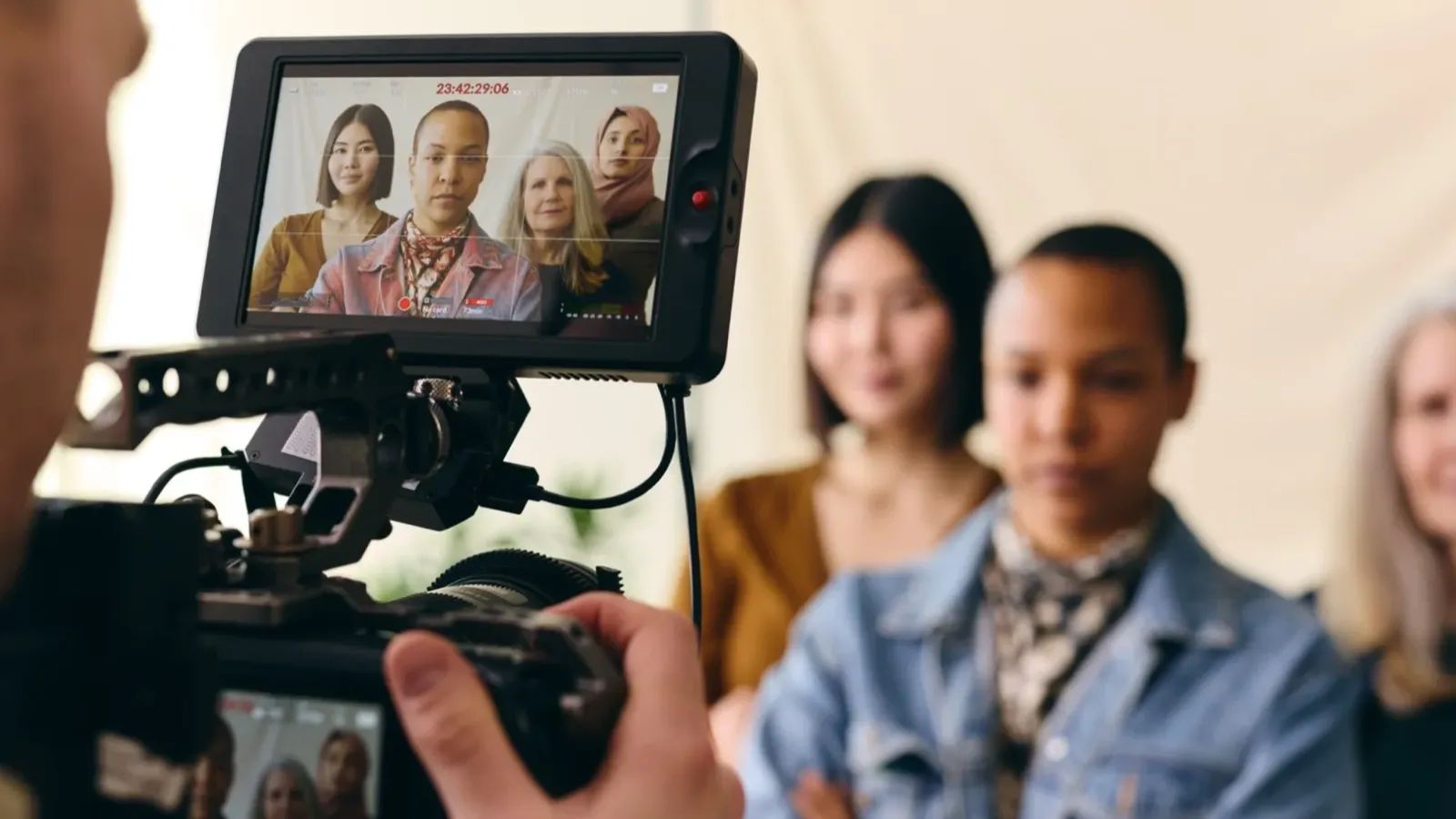
- Self-tapes are now standard. First-round casting is overwhelmingly remote. A clean, well-lit, well-read self-tape is your default audition, so the ability to produce one to a professional standard is non-negotiable.
- Smaller market, longer memory. One great audition or one missed deadline travels. Professionalism compounds here faster than in a big market.
If self-tape quality is your weak point, fix it deliberately. Our guides on recording a self-tape that gets you cast and building an actor profile casting directors trust cover the practical standard.
Unions, representation, and your rights
You are not on your own. Two organisations are worth knowing as you build a career.
- Kunstenbond is the Dutch union for the creative and cultural sector. It covers both employees and self-employed workers, and offers collective bargaining, legal assistance with contracts and disputes, and practical advice on copyright, tax, and insurance. See Kunstenbond. For actors who mostly work as freelancers, that contract and legal support is genuinely valuable.
- ACT (Acteursbelangen) is the dedicated interest organisation for actors in the Netherlands. ACT provides fair-rate guidance, contract support, workshops, a member network, and a bulletin board connecting actors with auditions and opportunities. For a Dutch screen actor, it is a focused, profession-specific resource.
Even before you can justify membership, read what these bodies publish about fair rates and standard contract terms. Knowing the going rate protects you in every negotiation.
Language: Dutch, English, and the honest reality
Language is the single biggest variable in how much Dutch work is open to you.
- Dutch-language productions make up the bulk of domestic film and television. Fluent, native, or near-native Dutch dramatically widens your access. If Dutch is not yet strong, invest in it early; it is the highest-leverage skill for this market.
- English-language and international productions exist and are growing, partly because the Film Fund and Film Commission actively court international co-productions. These create real roles for English-speaking and international actors, but the pool is smaller and more competitive.
- Accent and dialect range matters across Europe. The ability to shift convincingly between accents, or to perform credibly in a second language, makes you castable across borders. Our guide to mastering accents and dialects for auditions goes deeper.
Be honest with yourself about where you sit on this spectrum, and let it shape which roles you chase first.
Working in the EU: the rights basics
A quick, general orientation, not legal advice. Verify your own situation with official sources before you rely on it.
- EU and EEA nationals generally benefit from freedom of movement, which means you can usually live and work across member states, including the Netherlands, without a separate work permit. This makes the Dutch market broadly accessible to actors from across the EU.
- Non-EU nationals typically need the appropriate residence and/or work authorisation to take paid work, and productions hiring you will care about your status. Requirements vary by nationality and contract type, so confirm the current rules through official government channels rather than assuming.
- Self-employment is the norm. Many Dutch actors work as freelancers (zzp'ers), which carries its own registration and tax obligations. Factor this into how you set up.
A practical first-90-days checklist
- Decide your language lane. Honestly assess your Dutch and English, and target roles accordingly.
- Build a professional self-tape setup. Camera, light, sound, and a reliable reader. Make this repeatable.
- Assemble a tight profile. Up-to-date showreel, CV, and a clear sense of your casting type.
- Map the active productions. Track Film Fund news and production companies to see where demand is forming.
- Show up at festivals. Attend IFFR and the Netherlands Film Festival; treat them as networking, not just viewing.
- Learn your rights and rates. Read what Kunstenbond and ACT publish before you negotiate anything.
- Approach agencies with focus. A small, well-matched list beats a mass mailout.
- Prove range with evidence. Back up claims about your skills with something verifiable, not just self-description.
Where Platform Acting fits
Breaking into this market comes down to two things: being genuinely good, and being able to prove it to people who hire. Platform Acting is built for exactly that. You can create a free account, get AI feedback on your performances across tone, expression, body language, and emotional delivery, and earn an expert-verified certification that an acting coach validates and assigns a level to, with a public verifier code casting directors can check without logging in. From there, you can be matched and ranked to casting calls. If you want the bigger picture on why we started here, read why we are building Platform Acting in the Netherlands, or see how it works. The Dutch market rewards proof. We help you build it.